Colonoscopy

Overview

Colonoscopy is a procedure that enables your physician to examine the lining of the colon (large bowel) for abnormalities by inserting a flexible tube that is about the thickness of your finger into the anus and advancing it slowly into the rectum and colon.

Additional Information:


Click Here to View Colonoscopy Prep Instructions


What is a colonoscopy?

Colonoscopy is a procedure that enables your physician to examine the lining of the colon (large bowel) for abnormalities, by inserting a flexible tube that is about the thickness of your finger, into the anus and advancing it slowly into the rectum and colon.


What preparation is required?

The colon must be completely clean for the procedure to be accurate and complete. Your physician will give you detailed instructions regarding the dietary restrictions to be followed, and the cleansing routine to be used. Follow your doctor’s instructions carefully. If you do not, the procedure may have to be cancelled and repeated later.


What about my current medications?

Most medications may be continued as usual. You should inform your physician of all current medications, as well as any allergies to medications, several days prior to examination. However, drugs such as aspirin or anticoagulants (blood thinners) are examples of medications whose use should be discussed with your physician.


What can be expected during a colonoscopy?

Colonoscopy is usually well tolerated and rarely causes much pain. There is often a feeling of pressure, bloating, or cramping at times during the procedure. Your doctor may give you medication through a vein to help you relax and better tolerate any discomfort from the procedure. You will by lying on your side or on your back while the colonoscope is advanced slowly through the large intestine. As the colonoscope is slowly withdrawn, the lining is again carefully examined. The procedure usually takes 8 – 20 minutes. In some cases, passage of the colonoscope through the entire colon to its junction with the small intestine cannot be achieved. The physician will decide if the limited examination is sufficient or if other examinations are necessary.


What if the colonoscopy shows something abnormal?

If your doctor thinks an area of the bowel needs to be evaluated in greater detail, a forceps instrument is passed through the colonoscope to obtain a biopsy (a sample of colon lining). This specimen is submitted to the pathology laboratory for analysis. If the colonoscopy is being performed to identify sites of bleeding, the areas of bleeding may be controlled through the colonoscope by injecting certain medications or by coagulation (sealing off bleeding vessels with heat treatment). If polyps are found, they are generally removed. None of these additional procedures typically produce pain. Remember, the biopsies are taken for many reasons and do not necessarily mean that cancer is suspected.


What are polyps, and why are they removed?

Polyps are abnormal growths from the lining of the colon which vary in size from a tiny dot to several inches. The majority of polyps are benign (noncancerous) but the doctor cannot always tell a benign from a malignant (cancerous) polyp by its outer appearance alone. For this reason, removed polyps are sent for tissue analysis. Removal of colon polyps is an important means of preventing colorectal cancer.


How are polyps removed?

Tiny polyps may be totally destroyed by fulguration (burning), but larger polyps are removed by a technique called snare polypectomy. The doctor passes a wire loop (snare) through the colonoscope and severs the attachment of the polyp from the intestinal wall by means of an electrical current. You should not feel pain during polypectomy. There is a small risk that removing a polyp will cause bleeding or result in a burn to the wall of the colon, which could require emergency surgery.


What happens after a colonoscopy?

After colonoscopy, your physician will explain the results to you. You may have some cramping or bloating because of the air introduced into the colon during the examination. This should disappear quickly with the passage of flatus (gas). Generally, you should be able to eat after leaving the colonoscopy, but your doctor may restrict your diet and activities, especially after a polypectomy.


Why do I need someone to drive me home?

Even if you feel alert after the procedure, your judgment and reflexes may be impaired by the sedation for the rest of the day, making it unsafe for you to drive or operate any machinery.


What are the possible complications of colonoscopy?

Colonoscopy and polypectomy are generally safe when performed by physicians who have been specially trained and are experienced in these endoscopic procedures.

One possible complication is a perforation or tear through the bowel wall that could require surgery. Bleeding may occur from the site of biopsy or polypectomy. It is usually minor and stops on its own, or can be controlled through the colonoscope. Rarely, blood transfusions or surgery may be required. Other potential risks include a reaction to the sedatives used and complications from lung or heart disease. Localized irritation of the vein where medications were injected may rarely cause a tender lump lasting for several weeks, but this will go away eventually. Applying hot packs or hot moist towels may help relieve discomfort.

Although complications after colonoscopy are uncommon, it is important for you to recognize early signs of any possible complication. Contact your physician who performed the colonoscopy if you notice any of the following symptoms: severe abdominal pain, fever and/or chills, or rectal bleeding of more than 1/2 cup. Bleeding can occur several days after polypectomy.


How a colonoscopy works

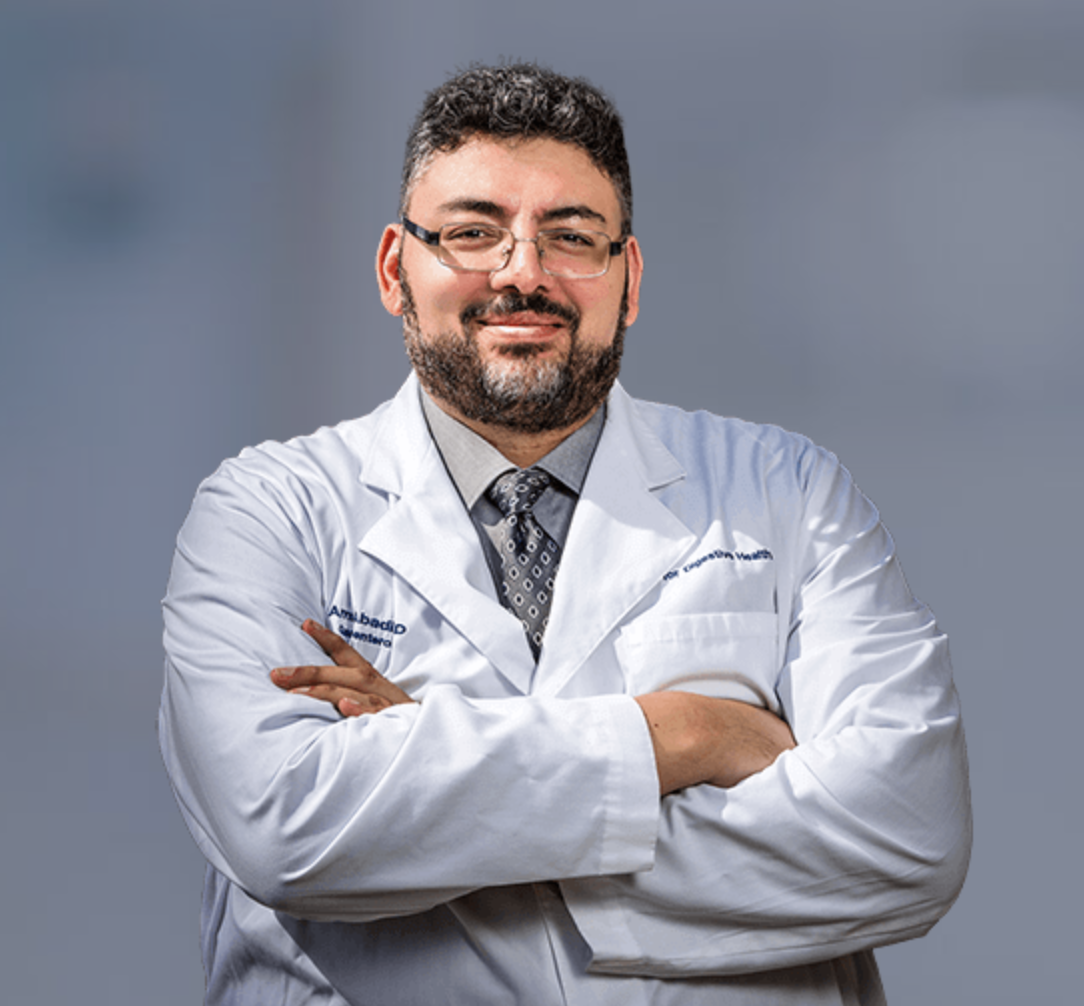
“A colonoscopy is a procedure where your GI doctor looks in your large intestine with a flexible scope. This is done to look for polyps or other diseases that affect the colon.

Although it sounds a bit unpleasant, patients are sedated and the procedure is painless. For a lot of folks, the preparation is the worst part. The prep involves only drinking clear liquids and avoiding solid foods the day before the procedure. Patients then drink a laxative solution to clear out the colon completely. So the grunt work is really done the day before, where you should probably stay home and close to the bathroom.

Anyone with intestinal or bowel problems can undergo a colonoscopy, but everyone should have a colonoscopy at age 50 to look for polyps!”

-Emin Donat, MD, Center For Digestive Health

Find a Location in Your Area

Request an Appointment

What They Are Saying

Bonellova
Excellent service and staff!
David L.
Everybody was very friendly!! Getting prep kit through the mail was quick and convient very helpful. I’ll be back in three years!!!
Susan Tolstyka F.
Dr. Nandi listened to my concerns and immediately made a plan to look into them.
Debbie S.
Everyone was very friendly and explanations were concise. Dr Tusai was great!
Joan G.
Everyone was very professional and friendly from the moment I walked in the door. The best service I ever received at a Phycian's office. Thank you all.
mazin K.
They made me feel very comfortable from beginning to end of my procedure. Everyone there was great. The front desk woman was very personable. The man that took me to my private room was very nice and explained exactly what I needed to do. The nurses that prepared me were great. The nurse anesthetist made me feel comfortable and safe The whole time. Dr. Bologna explained everything before we started and made me feel very comfortable. Thanks to everyone there I had a great experience.
alijas B.
Great place and helpful staff!
Carrie V.
Quick, efficient and pleasant
Gene “tbirdgene” R.
quick procedure and the nurses are number one
Joe L.
They are very friendly and professional.
Thomas W.
Excellent staff, very efficient and personable. Highly recommend Dr. Weber and his team!
Ceci G.
Love my Doctor Bakken. She is a very compassionate and understanding doctor. The staff was very organized, polite and efficient. No waiting. Very much on time. Highly recommend.
Mary Lynn K.
Excellent communication, all staff members were very reassuring. Felt very comfortable from check in to check out.
Sandy W.
I followed the instructions provided beforehand, and everything went well on my visit. I'm glad my doctor recommended them.
Mike K.
From start to finish friendly and knowledgeable absolutely top notch!
Andrew V.
I've been working with the center for Digestive Health for over 10 years they have always been extremely professional. Have been willing to work with me when I needed to reschedule. And I can't recommend them highly enough.
Diane M.
Truly friendly and experienced staff, beginning with admission. Dr. Weber and his staff are the reason I've continued as his patient throughout the years. Thank you to all who made my experience seamless.
Shelley T.
Dr. Quallich is the BEST. CARING AND COMPASSIONATE
Donna B.
Organized and very informed on prep and procedures, all questions answered, nurses are wonderful and calming!
Susan P.
Staff here are great! Very friendly and willing to answer any and all questions.
shannon G.
I really liked the office staff and Dr Bakken. Everyone is very nice and helpful. Made the whole experience go smoothly. Everything was explained to me before and after my procedure.
Mike M.
The entire team was a delight to work with
Lawrence M.
Amazing experience and amazing staff!
Doug S.
Had a very good experience for the colonoscopy proceedeure I went thru , the hardest was just the prep
Basam N.
Nice reception, caring nurses and swift operation. Thank you.
blubil
Very friendly and helpful.
Trevor M.
I was very nervous to get this procedure done not knowing what to expect. Everyone from the women in the front office all the way to the doctor or nothing but polite made me feel calm and that everything will be all right and it was. Thankfully, everything went well and I don’t have to go back for another five years.
Amanda B.
Dr Weber and his staff were absolutely amazing! Didn’t wait longer than 10 min and entire process was smooth! 100% recommend
Stu P.
Very professional staff. I was brought in to the exam room on time. Spent a long time talking with doctor. Never felt rushed.

Our Doctors

We’re proud of our team here at Digestive Health Institute. Our health care providers include some of the very best colorectal surgeons, gastroenterologists and physician assistants. To learn more about our qualified team of specialists, please visit our providers page.

Anezi E. Bakken MD, MS

Sante D. Bologna MD, FACP

M. Emin Donat MD, FRCPC

Partha S. Nandi

Jack Tocco DO

John R. Weber MD

Richard T. Wille MD

Tusar Desai MD

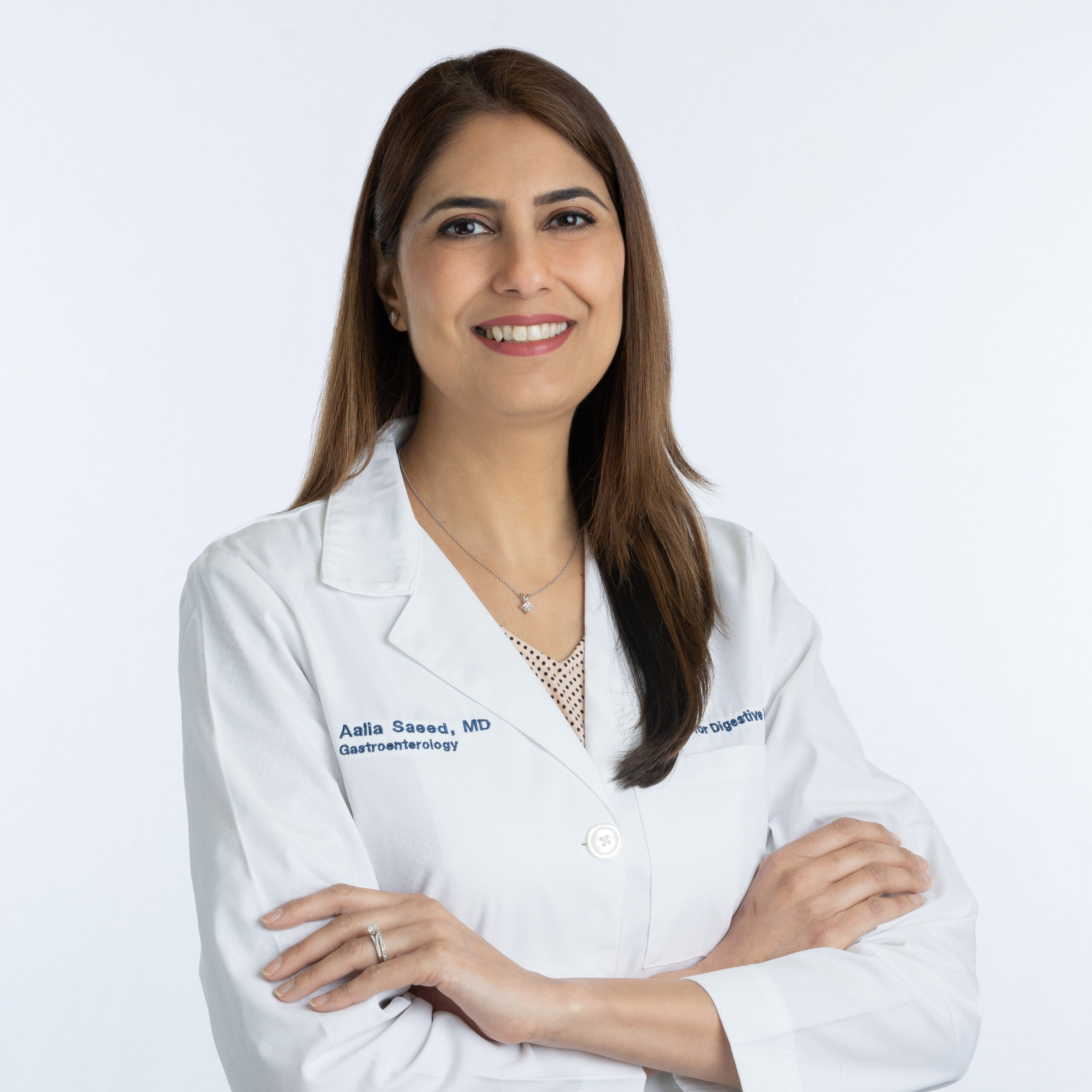
Aalia Saeed, MD

FAQs

What happens during my first visit?
If you are a new patient, you can expect to have a complete physical exam. You will also be asked detailed questions about your current problems and your past medical history, your current medications, allergies, your family history and other pertinent medical information. If you are taking medications, please bring a completed medical history form with you to your appointment. Once the physician has reviewed your medical information and completed the physical examination, a plan of care will be developed. You may need to be seen again in the office, be referred back to your family physician for follow-up care, or require additional testing. If additional tests are needed, we will assist you in scheduling these tests.
What if I need to schedule an endoscopic procedure?

An endoscopic procedure allows the physician to visualize a part of your gastrointestinal tract with a special instrument called an endoscope. If your family physician has ordered testing, you will be contacted by telephone by one of our staff members. If a physician orders testing and you are in the office, the procedure can generally be scheduled during the course of your visit. You will be given a date, time, and location for the test, as well as written instructions telling you how to prepare for the test. If you have any questions about the procedure, please feel free to ask one of our staff members or the physician.

How do I get test results?

We ask that you wait 10 to 14 days before contacting us for results. Often results come from several different sources. This information needs to be compiled and reviewed by your physician before you can be appropriately advised. 

What insurances do you accept?

We accept payment from most insurance companies including Medicare, Blue Cross/Blue Shield, Blue Care Network, Physicians Health Plan, Cofinity, Sparrow Professional Health Network, Medicaid, McLaren, Health Plus, and several others. Accepted insurances are subject to change at any time without notice.

If your insurance requires an authorization from your primary care physician, you may be asked to assist us in obtaining this authorization.

All patients are responsible for all copays and deductibles at the time of service.

If you have any questions regarding your benefits or insurance coverage, please contact our Billing Department at 248-844-9710.

What if I need to contact the doctor?

To contact your doctor during business hours please call our main number 248-844-9710. If you have an urgent need to speak with the doctor after hours, you will be rerouted to our after hours answering service, and your doctor will be paged. In the case of a medical emergency please proceed directly to the nearest hospital emergency room.

Related Content

3 reasons to see a gastrointestinal specialist when you turn 45

3 reasons to see a gastrointestinal specialist when you turn 45

A gastrointestinal specialist is someone who specializes in the gastrointestinal tract. The gastrointestinal tract involves a pathway that starts at the mouth and ends at the anus. The organs within the gastrointestinal tract are those that function mostly for...

The Benefits of Water for Digestion

The Benefits of Water for Digestion

Digestion is a process that, when running smoothly, can help keep the rest of your body in good condition too. It’s an important component of your overall health. There are several different ways that the digestive system can be well maintained, and this can be helped...

Do I Need an Endoscopy for Acid Reflux?

Do I Need an Endoscopy for Acid Reflux?

An endoscopy is a procedure that is typically used to examine an individual’s digestive tract. It is a non-surgical procedure that involves a tube with a video camera attached to it, called an endoscope, that is used to examine the inside of a cavity in the body. An...

Sign Up for Our Newsletter